Drag usually involves cross-dressing. A drag queen is someone (usually male) who performs femininely and a drag king is someone (usually female) who performs masculinely.
Drag uses clothes and other aspects of performance to create heightened versions of masculinity, femininity and other forms of gender expression. It is rooted in acceptance and resilience and is an artform that represents freedom of expression and resistance to unjust forces.
People dressed in drag celebrate Carnival in Rio de Janeiro, Brazil, in 1980. Before drag became part of the cultural mainstream, it flourished in drag balls held in secret to avoid...
Drag is a type of entertainment where people dress up and perform, often in highly stylized ways. The term originated as British theater slang in the 19th century and was used to describe women’s clothing worn by men.
Rodrick Van Schlong sees drag not only as an art form but as a way to inspire younger generations to embrace their identities. “Drag is expression,” he said. “It’s about connecting with the audience, being able to take the image of a song or outfit in your head and just display it.
Elements of drag fashion, such as bold makeup, vibrant costumes, and daring styles, have influenced the mainstream fashion industry, music videos, and other areas of popular culture.
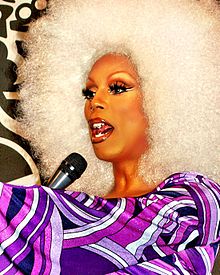 Drag usually involves cross-dressing. A drag queen is someone (usually male) who performs femininely and a drag king is someone (usually female) who performs masculinely.